Talk to Me leaves HBO Max on 1 November 2026, so Halloween is the last night it sits on the platform that gave it a second audience. The film cost about $4.5 million and grossed more than $92 million. Three years after that run, its availability still depends on a licence it does not control.
CBR reported the departure on 25 October 2026. The detail worth more attention sits under the streaming notice. The next piece of this franchise is a six-episode virtual reality series called I Let You In, built for Meta’s platform and expected next year. A horror film that made twenty times its budget does not automatically get a sequel any more. It gets a format experiment.
The numbers behind the departure
A film with a 20 to 1 return should be the easiest sequel decision in the business, and this one has taken a different route. The table is the shortest way to see why the loss of one streaming window matters less than it sounds.
| Detail | What happened |
|---|---|
| Budget | About $4.5 million |
| Box office | More than $92 million worldwide |
| Return | Roughly 20 times the production budget |
| Premiere | Adelaide Film Festival, 2022, released in cinemas in 2023 |
| Awards | 14 wins, including Best Horror Film at the 2024 Saturn Awards and Best Film at the 2024 AACTA Awards |
| Last day on HBO Max | 1 November 2026 |
| Next in the franchise | I Let You In, six episodes, expected on Meta next year |
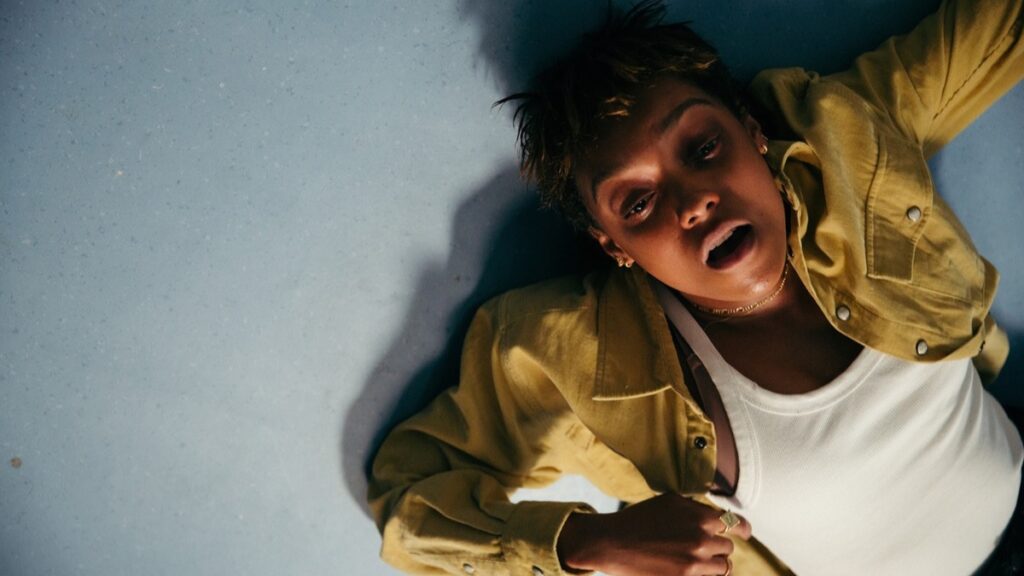
The directors are Danny and Michael Philippou, with the screenplay by Danny Philippou and Bill Hinzman. Sophie Wilde plays Mia, Alexandra Jensen plays Jade, Joe Bird plays Riley, and Zoe Terakes and Chris Alosio play the pair who bring the hand to the party. The premise is a severed hand that lets you see the dead for ninety seconds. The film follows that rule more strictly than most horror films follow their own.
Why a hit film still needs a licence to be found
Streaming catalogues are rented shelves. A film available in October can be gone in November. The audience that discovers it late has no way of knowing it was ever there. That is the part that has changed since the DVD era, when a hit film stayed on sale until the discs ran out.
For horror the effect is larger than for other genres, because horror is the one category that gets a seasonal second run without anyone arranging it. Late October pulls a browse spike into anything with a scare attached. A film leaving on 1 November catches the last week of that spike and then disappears. The same seasonal logic drives horror publishing in October, where new titles are timed to the same fortnight.
A VR series is a stranger decision than it looks
The six-episode series is being produced through 2026 with Darren Brandl and Trent Atherton as showrunners, and an ensemble led by Aubri Ibrag. Meta’s platform is the destination. That means the audience for the next part of this story needs a headset before it can watch a horror franchise it already likes.
That is a smaller audience than a cinema or a streaming service, and it is a deliberate trade. A studio that wanted a quick sequel would have ordered one. A team that wants to test the hand’s rule in a new format will build something smaller and stranger, and the Philippou brothers have form for that. They followed Talk to Me with Bring Her Back in 2025, an original rather than a follow-up. That is what a director does when the first hit bought him the freedom to make something else.
The other thing a VR series buys is time. A sequel has to arrive before the audience forgets, so it gets made quickly and judged against the original. A format experiment can arrive three years later without being called late, because nobody has expectations for what the second version of it looks like.
What happens to a small film with a long tail
Small horror films used to earn their reputation on video shop shelves, where a title could sit for a decade and be discovered by whoever picked it up. Streaming replaced that with a search box, and the search box only works if the title is licensed. A quiet, cheap film depends on word of mouth in a way a franchise does not, and word of mouth needs somewhere to point.
None of that means the film disappears. It will turn up on another service, and the people who recommend it will keep recommending it. It does decide whether a film is findable in the week people look for it or only a month later. That difference comes down to a contract renewal rather than to quality.
What to watch next
Two dates are worth keeping. The first is 1 November, which is the last day on HBO Max and the end of the Halloween window. The second is the Meta launch, whenever it is announced. It will answer a question the industry has been avoiding, which is whether a horror franchise can grow on a platform where the audience is counted in headsets rather than households.
If the VR series works, the model spreads, and small horror films get a second life that does not depend on a streaming licence. If it does not, this will read as the moment a 20 to 1 hit was spent on a format nobody could watch.
Source: CBR’s report of 25 October 2026 on the HBO Max departure, the box office figures and the planned I Let You In series.