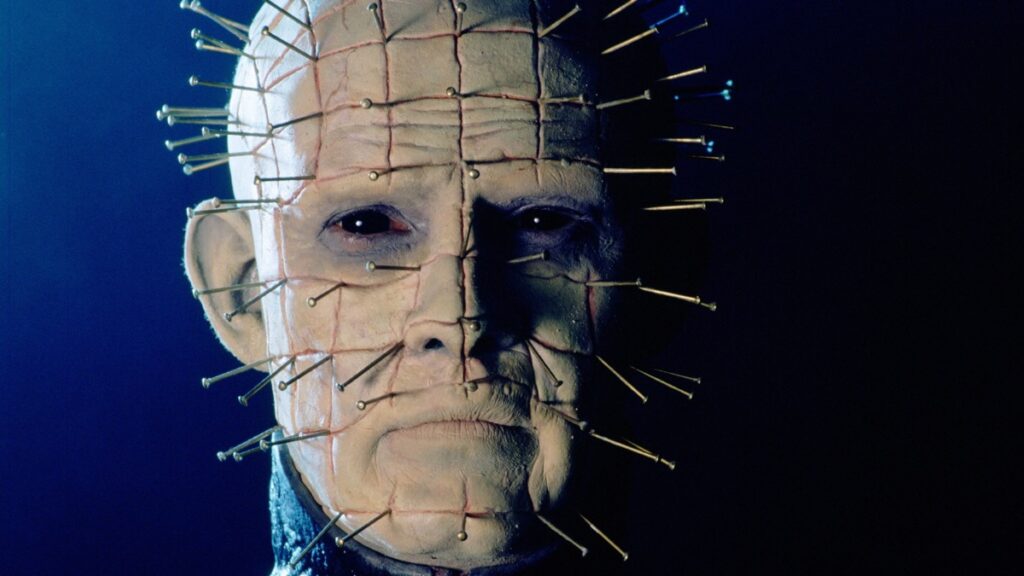
Clive Barker says he wants to make Hellraiser films again, and he has said why it took so long. Most of the sequels after his own run were made to protect a contract, not to be watched.
He made the point in an interview with Dread Central to promote Hellraiser: Revival, the new game from Saber Interactive (CBR) that he worked on as a creative consultant. The game is out now on PlayStation 5, Xbox Series X|S, Nintendo Switch 2 and PC. Barker has not announced a film, a studio or a date. He has said he has ideas and intends to use them, which is a different and smaller claim.
What Barker said about the sequels
His case against the middle of the franchise is specific, and it is about money rather than taste. “There are many of the Hellraiser movies that were made by the Weinstein brothers that were created simply to hold onto the rights,” he told Dread Central. “Over time they spent less and less on them. A lot of amazing creative people got worked over as a consequence.”
That is a producer’s complaint, not a fan’s. He is not saying the later films were badly written. He is saying the writers and directors were given a budget designed to fail, and the blame sits above them.
On the future, he was careful but clear. “I have many ideas that I’d like to see realized in the Hellraiser universe, and I’m planning to keep my fingers in that pie.”
On the conditions he would work under, he was just as direct: the compromises and battles are “totally exhausting, unnecessary, and not something I will entertain ever again.”
The rights clause did the damage
Barker directed the 1987 original and wrote the story it came from. He stayed involved behind the scenes through Hellraiser: Bloodline in 1996, the fourth film, and then left. He was not involved in the sequels that followed. He returned as a producer on David Bruckner’s 2022 reboot, and in December 2021 he got the U.S. rights back to his novella and his original screenplay.
When a studio holds a franchise through a rights clause, the cheapest way to keep it is to keep releasing something. Quality is not the variable being optimised. The output is.
| Phase | What was being made | What it was for |
|---|---|---|
| Barker’s run, 1987 to 1996 | The original through Hellraiser: Bloodline, four films | Build a mythology |
| The sequels he sat out | Inferno, Hellseeker, Deader, Hellworld, Revelations, Judgment | Hold the rights, at falling budgets |
| The reboot, 2022 | David Bruckner’s Hellraiser, Barker producing | Reintroduce Pinhead to a new audience |
| The game, 2026 | Hellraiser: Revival, Saber Interactive, Barker as creative consultant | Prove the audience still pays |
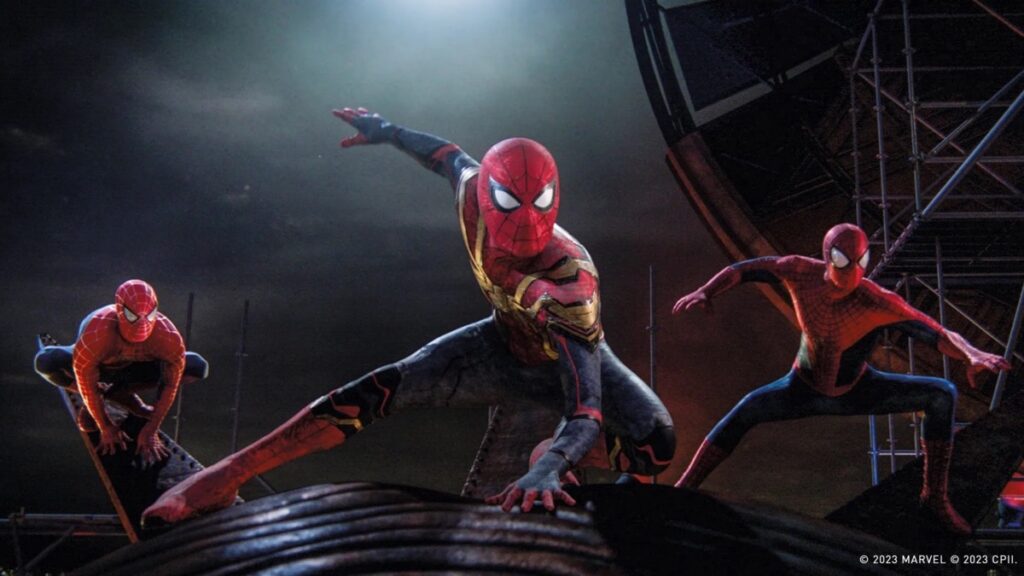
The same economics show up in superhero franchises, where the number of entries and the health of the story stop moving together. The Marvel and DC comparison runs the same numbers. Spider-Man shows the other side of it, with three live-action runs and three different ideas of who the character is. A franchise can stay alive on a spreadsheet for years after it stopped being alive on screen.
Why a game got there first
A game is the cheapest honest test of whether anyone still wants Hellraiser. It can ship on a small budget and one release date, and the rights holders sign a licence instead of arguing over who directs the next film. It also gave Barker a reason to be inside the material again without asking anyone for a budget.
He described the effect himself. “I think what was achieved in the game is a wake-up call to anyone who’s been involved in the making of a franchise like Hellraiser,” he said. Getting ideas “warmed over so you can go back into existing worlds in a brand new way” is the thing a rights-holding sequel never has to do.
Barker tied the film plans to sales himself. If the game does well, the film conversation gets easier. That is the same rights arithmetic that produced the films he is complaining about, pointed in a better direction.
What a new Barker film would have to do differently
The 2022 reboot already showed the limit of the current approach. It was competent, it was produced by Barker, and it did not become the thing that restarted the franchise. A film with Barker writing and directing is a different proposition because the mythology is the part he owns, and the mythology is what the later sequels spent decades flattening into a monster.
Hellraiser works when the horror is a bargain. The original is about people choosing to open something they cannot close. Pinhead is memorable, but Pinhead is the clerk, not the argument. Any new film that treats him as the point will land where the sequels landed.
A Barker film and a Pinhead film are different products
Barker’s version of events is the version of a man who was locked out of his own creation, and it is convincing. It is also only half the ledger. The later sequels exist because the rights were sold, and the rights were sold by people who needed the money the first film made. Nobody in this story was protecting art.
The harder question is whether a 2026 audience wants a Barker Hellraiser or a familiar Pinhead film. Those are not the same product, and the game’s sales will be read as an answer to the wrong question. Buying a game is not the same as buying a ticket to a film built on the mythology rather than the monster.
The tell will be how the next Hellraiser project gets described: a film by Clive Barker, or a Hellraiser film with Clive Barker involved. The second one is how the last thirty years happened. More film and series arguments sit in Movies and TV.