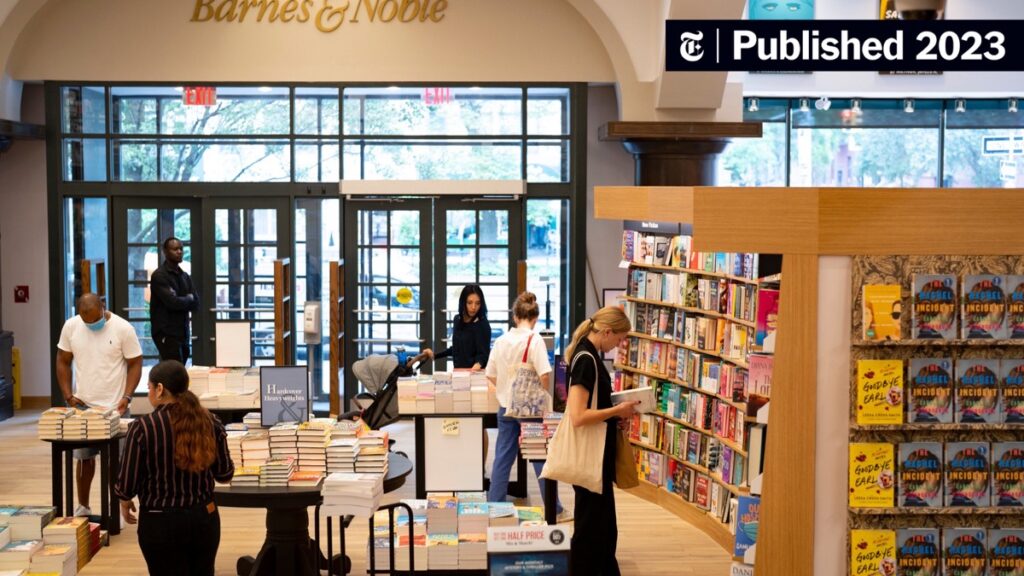
Barnes & Noble named its best books of 2026 in 17 categories this week. The list tells you more about what a shop can sell than about what 2026 will be remembered for. That is the useful part.
The retailer published the picks in mid October, months before the year ends, and Book Riot’s coverage on 16 October 2026 put its finger on the angle. The categories that literary roundups skip, cookbooks, picture books, business books and personal growth, are exactly the ones that make good presents. The list is a shop window, and it is a well built one.
What the 17 categories actually are
The categories are Fiction, Romance, Mystery & Thriller, Science Fiction & Fantasy, Horror, Young Adult, Young Reader (Middle Grade), Picture Books, History, Biographies & Travelogues, Business, Science and Nature, Personal Growth, Cookbooks, Audiobooks, eBook Series and libros en español.
Read that list as a floor plan rather than a literary judgement. Four of the seventeen are children’s or gift categories. Two are formats rather than subjects. One is a language. A critic’s list is built to argue about quality. This one is built so that a person holding a shopping bag can find a shelf.
| What the list does | Barnes & Noble | A newspaper or prize list |
|---|---|---|
| Its job | Help someone buy a book | Help someone decide what matters |
| Categories | 17, including cookbooks, picture books and business | Usually fiction, nonfiction and poetry |
| Format shelves | Audiobooks, eBook Series, libros en español | Rarely separated |
| Timing | Mid October, before the gifting season | November and December, after the year closes |
| Consequence of missing it | Fewer units sold | Less argued about |
None of this is a complaint. A shop that ignored cookbooks in December would be bad at its job. The people who write literary criticism are also not the people who decide what a family buys for an aunt.
Three things in the list worth noticing
Two books called The Keeper, in two categories. Tana French’s The Keeper appears in Mystery & Thriller and Ana Huang’s The Keeper appears in Romance. Same title, same season, same list, different shelves. That is what a big publishing year looks like when two genres chase the same single-word thriller title. A best-of list only reveals it because the list sorts by category.
The fiction list is a reputation list. Colson Whitehead, Marlon James, Douglas Stuart, John Green, Deesha Philyaw and Caro Claire Burke. Every name there has either won something large or sold in large numbers before. This is the one category where the shop and the critic would agree, and it is the one category where the list adds least.
The eBook Series shelf is a nudge. Book Riot called it a strange choice, and it is. An audiobook deserves its own category because the narrator changes the book. An ebook does not. Its presence is a reminder that the store sells them, which is a merchandising decision wearing a category’s clothes.
The category that matters most for readers like me
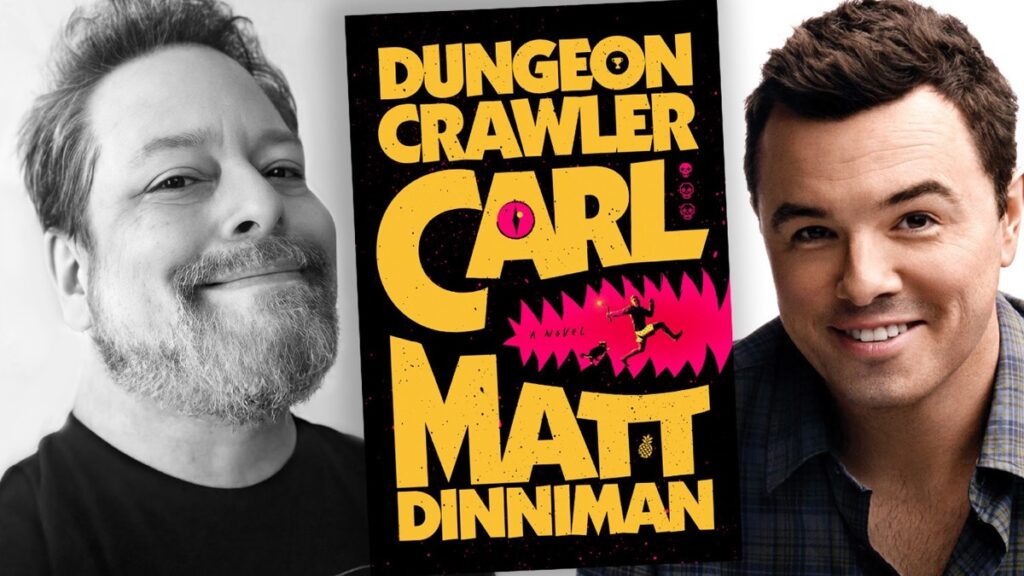
Science Fiction & Fantasy went to Sarah J. Maas, Thea Guanzon and Matt Dinniman. Two of those are romantasy with a huge existing audience. The third is the interesting one, because Dinniman writes serial fiction that built its readership online before it reached a shop shelf.
That pattern is not new, and this site has argued before that LitRPG grew faster than publishing noticed. A retailer putting a serial-first author on a best-of list is the shelf catching up with the readers, one year later than the readers did.
A best-of list is also a reading list, and the honest use of one is narrower than it looks. If you want to read more next year without buying seventeen hardbacks, the useful move is to pick one category you already trust and ignore the rest, which is roughly the method in how to choose what to read next.
What the list cannot tell you
It cannot tell you which of these books will still be read in ten years. A best-of list is a snapshot of a season’s supply, priced and shelved. The books that survive usually survive because a teacher, a friend or a film found them later. A table near the till in October rarely does it.
It also cannot tell you what was left out, and the omissions are structural. Small presses, translated fiction, poetry and anything without a sales rep behind it sit outside a retailer’s list by design. The missing poetry category tells you what fits on a table near the till.
The verdict
Use it as a gift list and as a map of what the industry is pushing. Do not use it to decide what is good. For that, one book, one reader and one honest paragraph of opinion from someone who is not selling anything is worth more than seventeen categories, and it always has been.
The full list is on the Barnes & Noble blog.