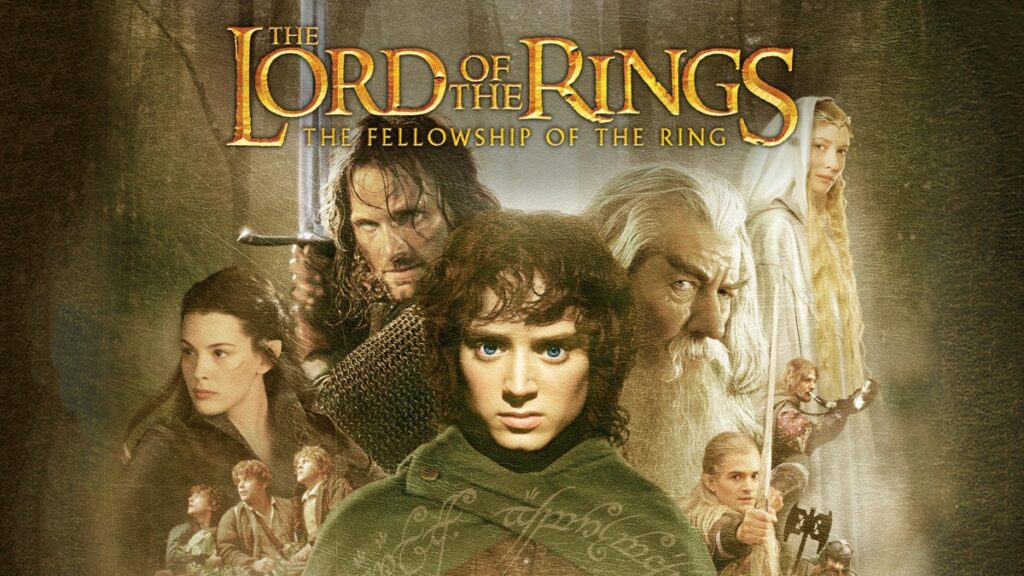
The list is always ten films long, Lord of the Rings is always on it, and the framing is always the same: here are the films that are better. It is a fine way to spend an afternoon, and it measures something entirely different from quality. The trilogy has one property almost nothing else in cinema has, and it is not that these are the best films ever made.
The word better is doing no work
Better at what? Better dialogue is a different claim from better structure, which is different again from better on the tenth viewing, which is different from more important. A film can win three of those and lose the fourth, which is why these arguments never converge.
Most of the time what is being compared is memorability, and memorability belongs to the viewer rather than the film. Nobody is arguing about craft. They are comparing the shape of the hole each film left in them, and holes are not ranked. They are just occupied.
What the trilogy actually pulled off
It was three films from one long work, shot together in New Zealand as a single eighteen-month production and released annually, each with a beginning and an ending that matched. Look at how other trilogies were built instead.
| Trilogy | How it was built | Release shape | The risk that structure created |
| Lord of the Rings | All three shot together, 1999 to 2000 | Annually, 2001 to 2003 | If it failed, it failed three times at once |
| The Hobbit | One book expanded into three films | Annually, 2012 to 2014 | Every extra hour had to be invented |
| The Matrix sequels | Two films shot back to back | Six months apart, 2003 | The middle one is structurally a bridge |
| Star Wars prequels | Planned as a set before release | Three years apart, 1999 to 2005 | The ending was common knowledge |
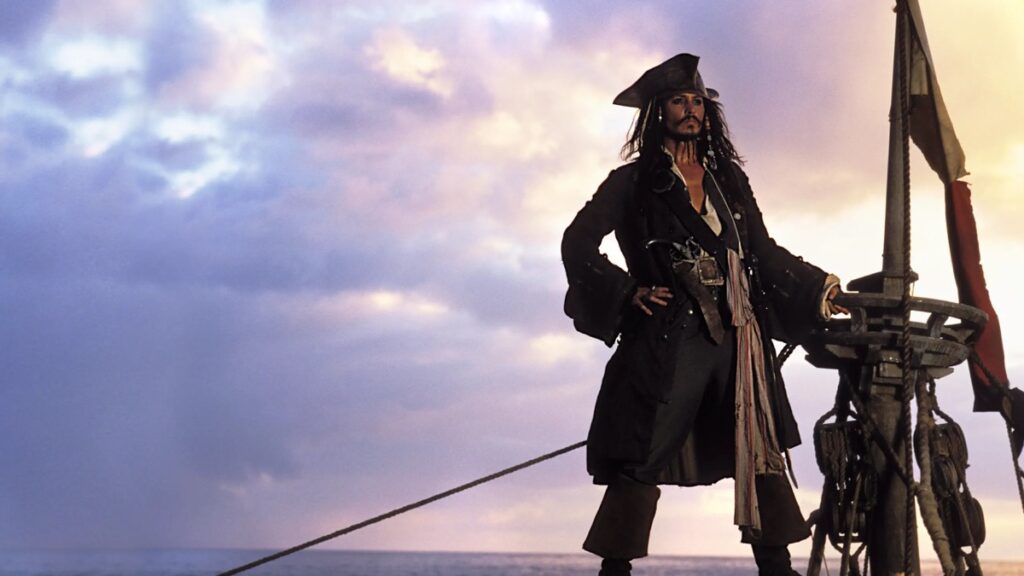
| Pirates of the Caribbean | Second and third shot back to back | A year apart, 2006 and 2007 | The seams between them are visible |
None of those structures destroys a film by itself. Each one makes a specific failure more likely, and the failure usually shows up in the final act, because that is the part written under the most pressure.
Why the comparison keeps coming back
Lord of the Rings works as the yardstick because it is the only large scale fantasy adaptation that satisfied both audiences at once. Readers had spent decades bracing for disappointment, viewers had never turned a page, and the source material was widely considered unadaptable.
When a franchise fails, the question is why it could not do what that one did. When a franchise succeeds, the question is whether it is better. Both conversations are really asking about confidence rather than quality.
The next Middle-earth film is a completely different bet
That is why the more interesting comparison now points forward. The Hunt for Gollum started shooting in 2026 with Andy Serkis directing, Elijah Wood back as Frodo, and a story that runs alongside the events of the first film rather than continuing the books. The Fellowship of the Ring also turns twenty-five in December.
That is a different structure entirely. Not a trilogy shot as one production, but a single parallel story inside an established timeline, using a returning cast for continuity and a director who was in the original room. It is much lower risk, and it tells you what the studio learned: you cannot buy the thing the trilogy had, so you build something that does not need it.
The fair comparison is production against production
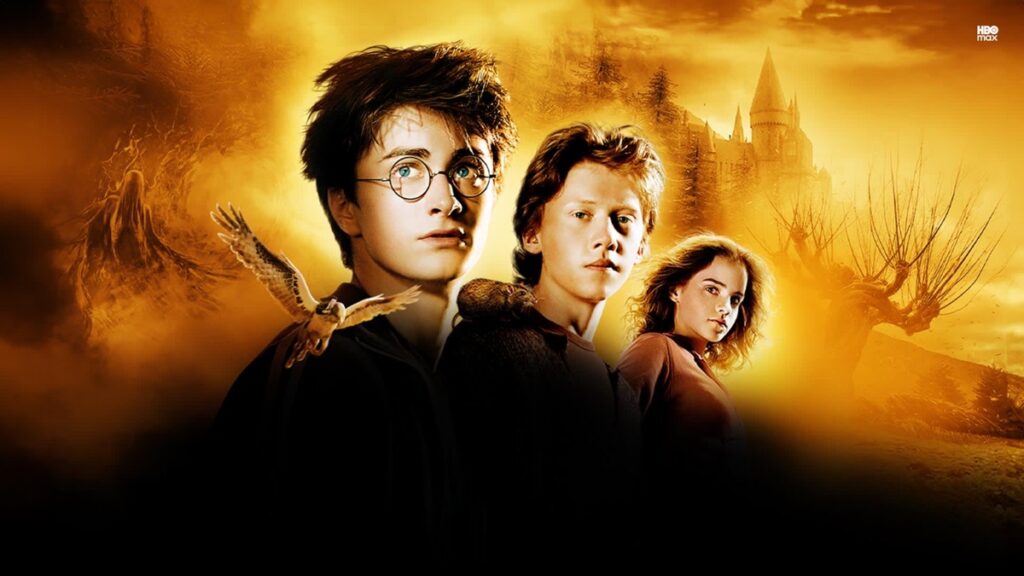
Line the productions up rather than the finished films. How many were planned at once. How long the cast were contracted. Whether anyone making the second one knew how the third would end. It is the same measure that makes the Harry Potter run so interesting to argue about, because those films were made one at a time by changing hands and still hold together.
On the production questions the trilogy wins by a distance, and it wins for reasons that have nothing to do with whether a quieter film with a perfect last scene means more to you.
If you are planning a trilogy
- Decide the ending before you shoot the beginning, or accept that the third film will be written by people reacting to reviews.
- Shoot as much as you can at once if the cast has to age. Continuity of a room is the reason the third film does not feel like a reunion.
- Budget the final act like it is the whole project, because with hindsight it always is.
- And be honest about the bet. The trilogy wagered everything on all three landing, and that is why it is remembered as a standard rather than a lucky film.
The trilogy is the benchmark for planning and investment. That is a narrower claim than better, it is defensible, and it does not require anyone to pretend that the film they love most is somehow measuring the same thing.