The search query behind a ChatGPT ad is written by OpenAI’s own model, and OpenAI does not plan to show it to the advertiser. Vijaye Raji, OpenAI’s chief technology officer for applications, told Adweek that advertisers should not expect prompt-level or inferred-intent reports. Three executives who run the ad system told the same publication that ads are matched to queries its AI agent writes.
That removes the unit most of us were trained to optimise. There is no search terms report to mine, so the work moves to the two things you still control: the context you describe and the page the click lands on.
What the ad stack does before the auction
OpenAI published the engineering detail on 21 October 2026 in a post by Ritendra Datta and Karthik Gopalratnam. The system first creates one or more search queries from the buying intent it reads in the conversation. OpenAI calls that model the orchestrator. The queries then pull candidate ads, which get filtered, scored and sent into an auction that sets the price and picks a winner. Returning no ad at all is described in the post as an ordinary, successful outcome.
The post’s own example is the clearest thing in it. A user asks about a two-day trip to Yosemite and then about a shoe brand’s new lines. The system may build the query “shoes appropriate for hiking trip” from those two questions, even though the person never connected them. With personalisation turned on, the orchestrator also draws on what the post calls nonsensitive information from earlier conversations.
So the query is an inference, not a transcript. It is the system’s guess at what the conversation implies, generated fresh for each ad decision.
The report has 7 columns and no search terms
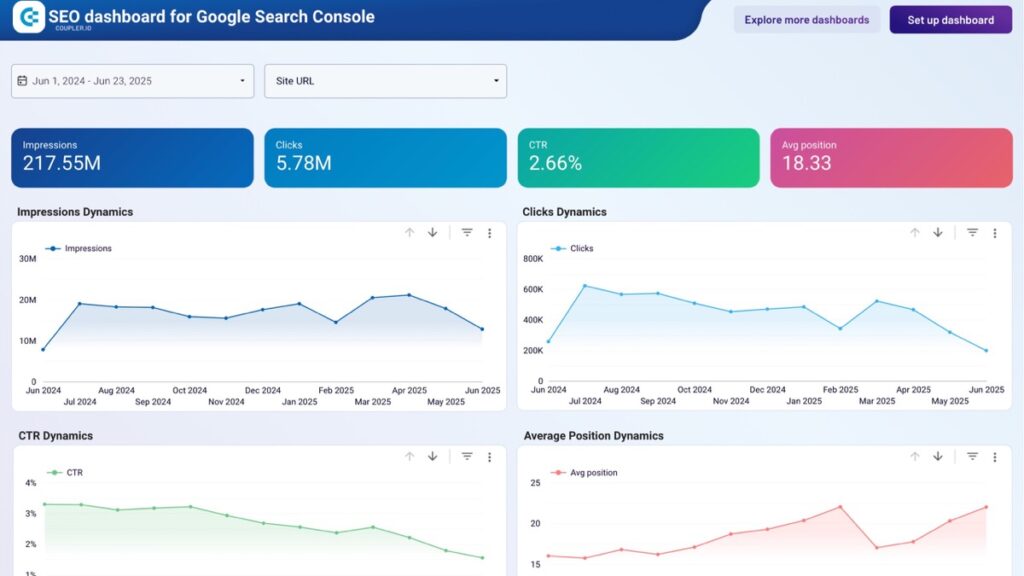
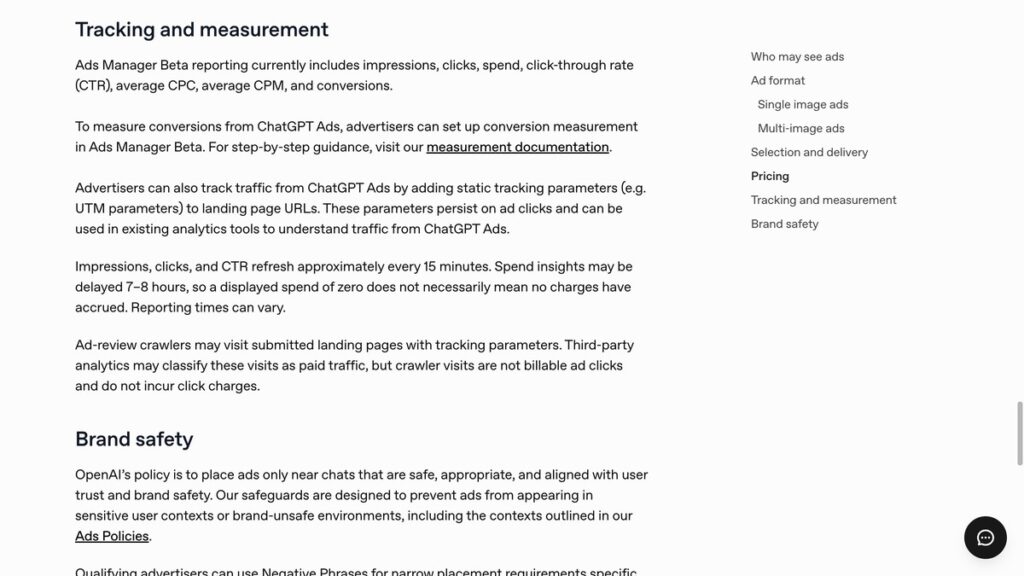
OpenAI’s basics page for advertisers lists what Ads Manager Beta reports: impressions, clicks, spend, click-through rate, average cost per click, average cost per thousand impressions, and conversions. Seven numbers, and every one of them describes delivery rather than demand.
Google answered the same question in the other direction. For searches made through Lens, AI Mode, AI Overviews and autocomplete, Google’s own ad group page says the search term in reporting represents the best approximation of the user’s intent. It is an estimate rather than a typed string, but it exists, and you can read it.
| ChatGPT Ads | Google Ads | |
|---|---|---|
| What wrote the query | OpenAI’s orchestrator, from the conversation | The user, or an intent approximation on AI surfaces |
| Query level reporting | No search terms report listed | Search terms report, approximated on AI surfaces |
| What you target | Context hints, which are not exact-match keywords | Keywords and match types |
What you can still control
Context hints are the closest thing to targeting, and OpenAI is careful about what they do. Its guide says hints are not targeting rules or delivery instructions, they do not guarantee an ad appears for particular conversations, and they cannot enforce geographic limits, schedules or exclusions. They are also not exact-match keywords. OpenAI’s advice is to write them as needs and scenarios rather than as a list of terms.
- Write hints as situations, the way a customer would describe the problem, because the orchestrator is reading intent rather than matching strings.
- Use the product controls for anything geographic or time-bound, since hints cannot hold either.
- Keep UTM parameters on the landing page URL, because they persist on ad clicks and become your only traffic-side label.
- Track conversions properly, since that is the one number in the seven that reflects what happened after the click.
How I would report a ChatGPT campaign
Report at the level of the situation you described, not the query you wished for. One row per context hint, with impressions, click-through rate, cost per click and conversions beside it. That gives a client something they can act on, and it stays honest about what the platform will not tell you.
The second thing I would add is a note on the page itself. A click that arrives from an inferred query lands on whatever URL you set, and the landing page then has to answer the need the orchestrator guessed. If the page only speaks to a keyword, the visitor arrives at a page written for somebody else.
Personalisation is switched off in the European Economic Area and Switzerland at first, according to OpenAI’s ads FAQ for users. Everywhere else it is on, which means the query sits one step further from what the person actually typed, and the intent you wrote in your hint matters more than any keyword list.
The rest of my paid and organic search writing sits in the Digital Marketing hub.
One more trap sits in the same help page. Ad-review crawlers visit submitted landing pages with your tracking parameters attached, and third-party analytics can count those visits as paid traffic. They are not billable clicks, so a discrepancy between Ads Manager and your web analytics is expected rather than alarming.
Also read:
- ChatGPT Ads Bring $0.89 a Session Against Google’s $2.45 on 102 Sites
- 14 B2B Advertisers Paid 21% More for the Same Keywords in 2026
- 37 Per Cent of 6,156 AI Shopping Trips Ended With an Obvious Fake Deal
Sources: Search Engine Journal’s report on 26 November 2026, which quotes Adweek and Vijaye Raji, OpenAI’s ads engineering post of 21 October 2026, and OpenAI’s help pages on ads basics and context hints.